Why Do Japanese Copiers Dominate the Global Market? (And What About Other Countries?)
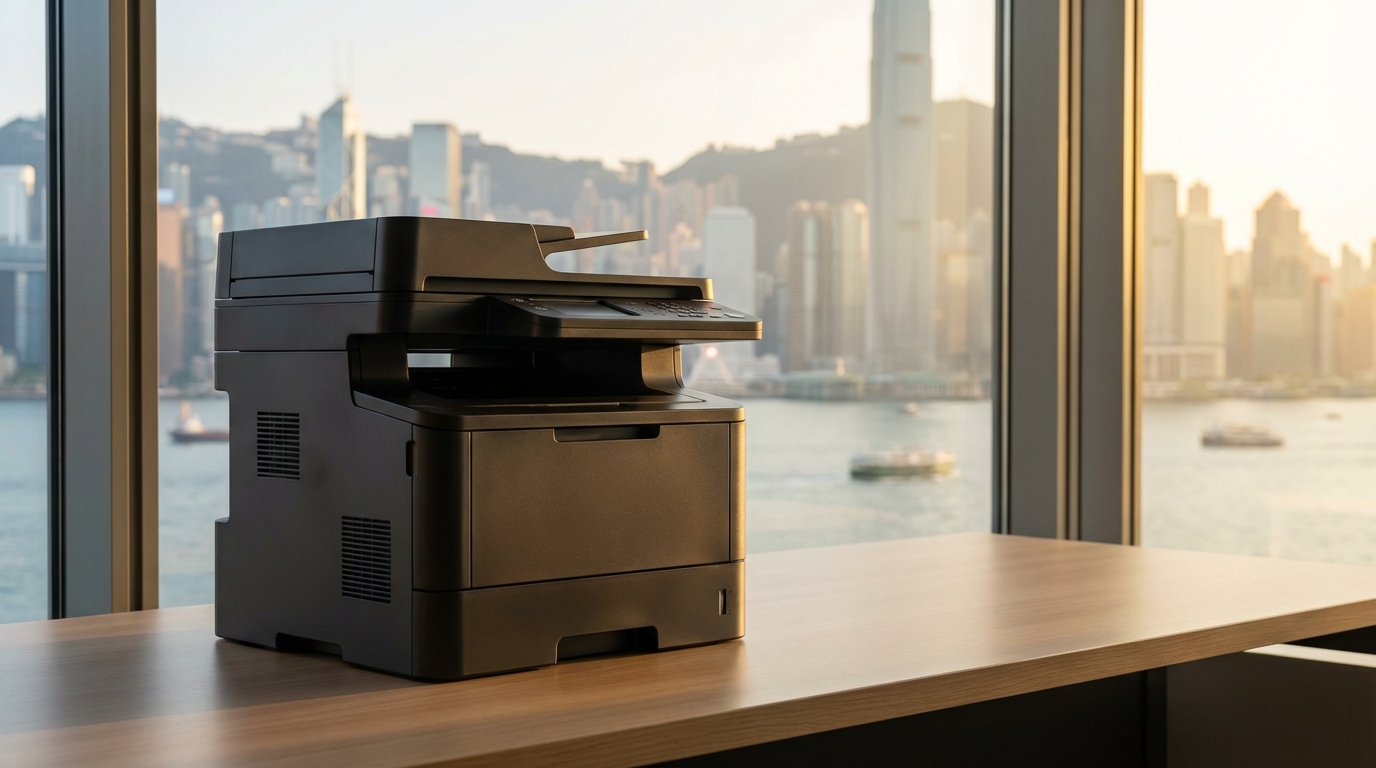
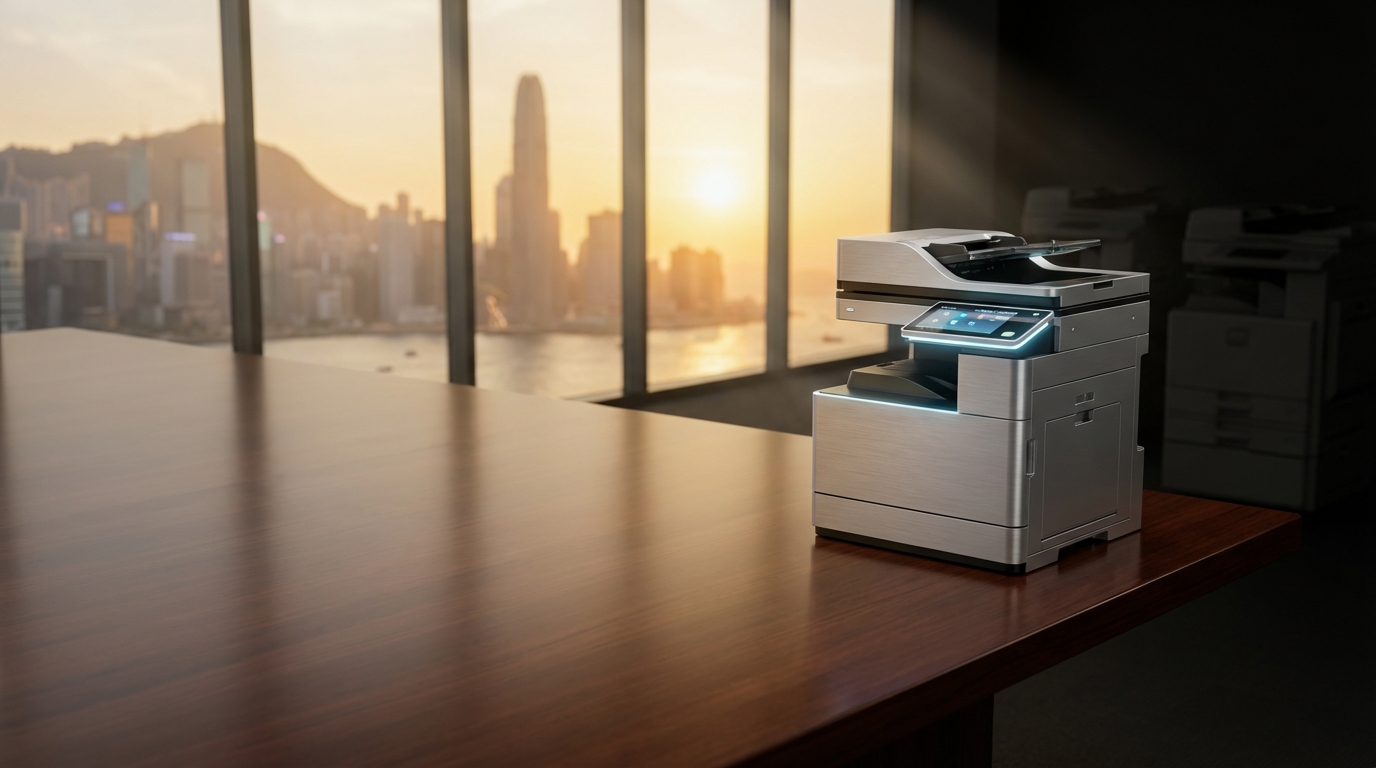
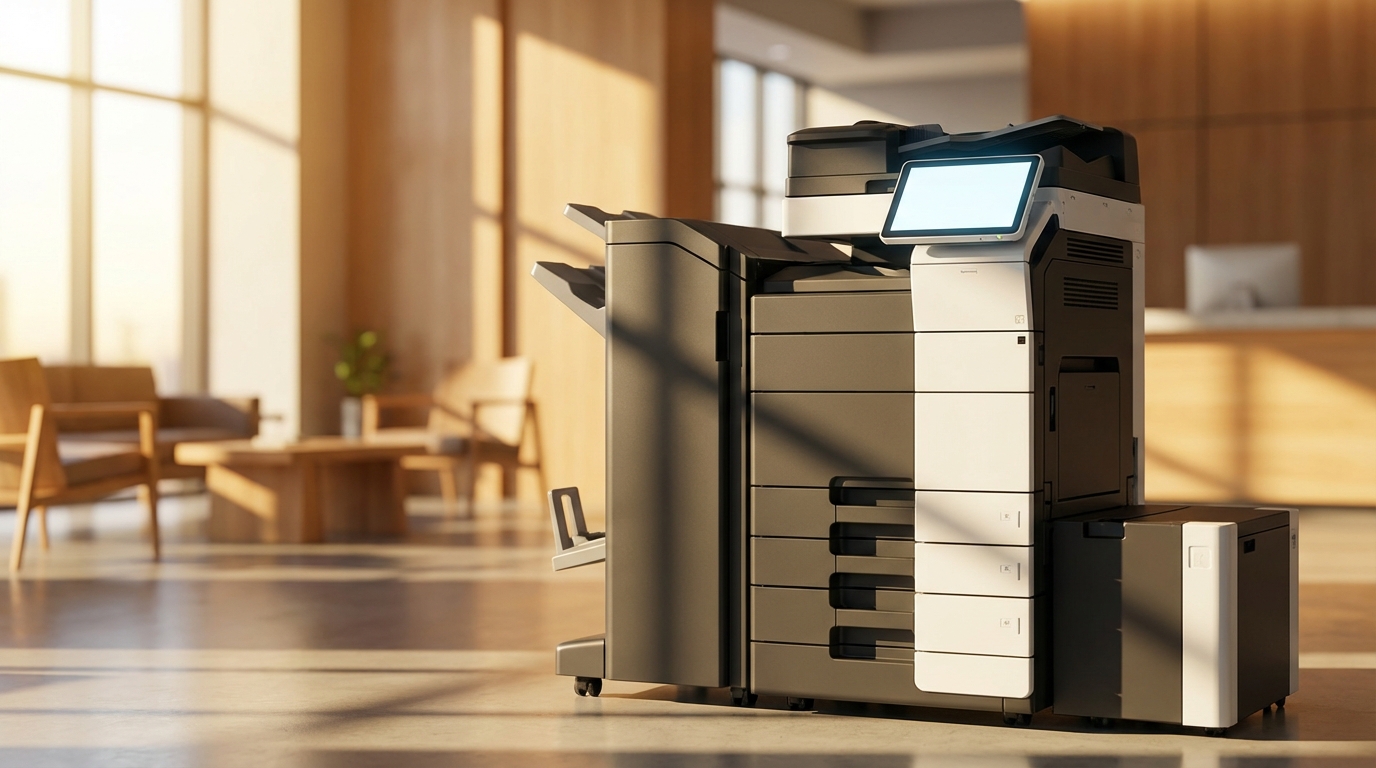
Walk into any corporate office, SME, or co-working space in Hong Kong, and take a closer look at the multifunction printer (MFP) sitting in the corner. Chances are overwhelmingly high that you are looking at a Ricoh, Canon, FujiFilm, Konica Minolta, Kyocera, Sharp, or Toshiba.
Have you ever stopped to wonder why almost every single commercial copier is Japanese?
In an era where smartphones are dominated by American and South Korean brands, and laptops are largely manufactured by Chinese and American tech giants, the commercial printing and copying industry remains a unique fortress of Japanese engineering. Today, Japanese brands control an estimated 80% to 90% of the global A3 commercial copier market.
At King Copier, we broker and consult on hundreds of office equipment deals across Hong Kong every year. In this deep dive, we will explore the historical reasons behind Japan's absolute monopoly, analyze what happened to American and European competitors, look at emerging players from China, and explain what this means for your Hong Kong business.
1. The Historical Context: How Japan Stole the Show
To understand the present, we must look at the past. The irony of the Japanese copier monopoly is that the core technology—xerography (dry photocopying)—was actually invented by an American, Chester Carlson, in 1938. The American company Xerox commercialized the first plain-paper copier in 1959, the legendary Xerox 914. For decades, Xerox was so dominant that its name became a verb.
So, how did Japan take over? The answer lies in optics, micro-mechanics, and the camera industry.
Post-WWII Japan was a powerhouse of optical engineering. Companies like Canon, Minolta, and Ricoh were world leaders in camera lenses and precision mechanics. A photocopier, at its core, is a massive camera. It uses lenses, mirrors, and light to capture an image and transfer it onto a photosensitive drum.
In the 1970s and 80s, while American companies focused on massive, expensive, centralized machines for large corporations, Japanese camera manufacturers saw an opportunity. They utilized their expertise in miniaturization and precision engineering to create smaller, cheaper, and incredibly reliable desktop copiers. They didn't just copy the technology; they innovated the manufacturing process, drastically lowering the Total Cost of Ownership (TCO).
2. The "Big 8" Japanese Giants Monopolizing Your Office
Today, the global market is essentially an oligopoly controlled by a handful of Japanese conglomerates. Let's break down the major players and their unique strengths in the Hong Kong market:
FujiFilm (Formerly Fuji Xerox)
For decades, they operated as a joint venture with US-based Xerox. In 2021, the partnership ended, and FujiFilm rebranded as FujiFilm Business Innovation. They are renowned for absolute premium color reproduction and high-end graphic arts printing.
Canon
Leveraging their world-class camera optics, Canon produces machines known for stunning image quality, user-friendly interfaces, and robust enterprise software integration (like uniFLOW).
Ricoh
A true workhorse and arguably the market share leader in commercial A3 copiers globally. Ricoh machines are famous for their mechanical reliability, fast document feeders, and excellent value for high-volume offices.
Konica Minolta
Born from the merger of two camera giants. Their bizhub series is incredibly popular in Hong Kong SMEs due to aggressive pricing, sleek designs, and excellent color consistency.
Kyocera
The masters of low running costs. Kyocera uses proprietary amorphous silicon ceramic drums that last up to 600,000 pages, drastically reducing waste and maintenance costs over the machine's lifespan.
Sharp & Toshiba
Excellent mid-tier contenders. They offer highly competitive leasing rates in Hong Kong (often starting around HKD 400 - 600/month) with solid baseline features perfect for standard office admin work.
Beyond the A3 commercial space, Japanese brands like Brother and Epson absolutely dominate the A4 desktop and inkjet markets. Epson, in particular, is revolutionizing the industry with its Heat-Free PrecisionCore technology, pushing inkjet into the commercial space previously dominated by lasers.
3. The Secret Sauce: Why Can't Others Compete?
Why hasn't a Silicon Valley startup or a massive Chinese tech conglomerate disrupted this space the way Tesla disrupted cars or Apple disrupted phones?
The answer is that a photocopier is a mechanical nightmare.
- Complex Paper Paths: Paper is an organic, unpredictable material. It carries static, absorbs moisture, and changes size. Moving a piece of paper through a machine at 60 pages per minute, flipping it for duplex printing, aligning it perfectly, and stapling it without a single jam requires decades of refined micro-mechanical engineering.
- Chemistry and Heat: Laser printing involves melting plastic dust (toner) onto paper using rollers heated to over 200°C, all within fractions of a second. Balancing this chemistry and thermodynamics is exceptionally difficult.
- Patent Thickets: The Japanese giants have spent 50 years building impenetrable walls of patents surrounding toner formulation, drum coating, and paper-feeding mechanisms.
Software companies can iterate rapidly, but hardware—especially precise, high-speed, high-heat mechanical hardware—requires a legacy of manufacturing excellence that is almost impossible for a new player to replicate from scratch without billions in R&D.
4. What About the Rest of the World? (USA, Korea, China)
While Japan holds the monopoly, other nations do have a presence, though often in specific niches or through strategic partnerships.
🇺🇸 The United States: Xerox and HP
Xerox remains a titan, especially in high-volume production print and enterprise managed print services. However, it's worth noting that for decades, many of Xerox's mid-range office machines were actually manufactured by their Japanese partner, Fuji.
HP (Hewlett-Packard) is the undisputed king of desktop IT and A4 printing. To break into the lucrative A3 commercial copier market, HP made a bold move in 2017 by acquiring Samsung's printer business (South Korea) for $1.05 billion. Today, HP's LaserJet Managed series are strong contenders, offering incredible IT security features (HP Sure Start), though they still face an uphill battle against the entrenched Japanese service networks.
🇨🇳 China: The Rise of Pantum
China dominates global manufacturing, but historically, they only assembled printers for Japanese and American brands. That is changing rapidly with brands like Pantum (owned by Ninestar).
Driven by a desire for technological independence and national security (ensuring government documents aren't processed on foreign hardware), China has heavily invested in domestic printer technology. Pantum is currently disrupting the entry-level A4 laser printer market.
💡 HK Market Insight: Pantum vs. Brother
In Hong Kong, you can now buy a basic Pantum A4 mono laser printer outright for around HKD 700 - 900. This aggressively undercuts traditional entry-level models from Brother or HP. While Pantum hasn't yet cracked the complex A3 heavy-duty commercial market, they are becoming a popular, ultra-budget choice for small home offices in HK.
5. Choosing a Copier in Hong Kong: Local Considerations
When consulting with our clients at King Copier, we don't just look at the brand badge; we look at how the machine performs in the unique environment of Hong Kong. Here is why the Japanese brands continue to win local contracts:
| Hong Kong Challenge | How Japanese Brands Solve It |
|---|---|
| Extreme Humidity (90%+) | Springtime in HK means damp paper, which leads to curling and jamming. Brands like Ricoh and Canon have highly advanced dehumidifying heaters built into their paper trays to keep paper crisp. |
| Severe Space Constraints | Office rent in Central or Kwun Tong is expensive. Japanese brands excel at miniaturization, offering full-featured A3 machines with built-in inner finishers that don't require external bulky sorting trays. |
| The "4-Hour SLA" Expectation | HK businesses move fast. If a machine breaks, you expect a technician within 4 hours. Japanese brands have spent 30 years building massive, localized spare parts warehouses and technician fleets in Hong Kong to guarantee these Service Level Agreements. |
| Old Industrial Building Access | Delivering a 100kg copier to a subdivided unit in Lai Chi Kok with a tiny cargo lift is tough. Japanese modular designs allow machines to be safely disassembled, transported, and reassembled on-site. |
Conclusion
The Japanese monopoly in the copier market isn't an accident. It is the result of decades of perfecting the incredibly complex intersection of optics, mechanics, chemistry, and software. While American brands like HP are making aggressive pushes with enterprise IT integration, and Chinese brands like Pantum are conquering the budget desktop space, the heavy-duty A3 office copier remains firmly in the hands of Japan.
For Hong Kong businesses, this intense competition among the "Big 8" Japanese brands is excellent news. It drives down leasing prices, forces innovation in cloud and mobile printing, and ensures rapid, reliable local maintenance support. Whether you need a high-end FujiFilm for a design agency or a cost-effective Konica Minolta for a logistics firm, there is a perfectly engineered machine for your exact needs.
Need Expert Advice?
Our consultants can help you find the perfect printing solution for your office.
📞 +85221164877 · King Copier · Operated by Techieasy Limited
Need Expert Advice?
Our consultants can help you find the perfect printing solution for your office.
📞 +85221164877 · King Copier · Operated by Techieasy Limited